


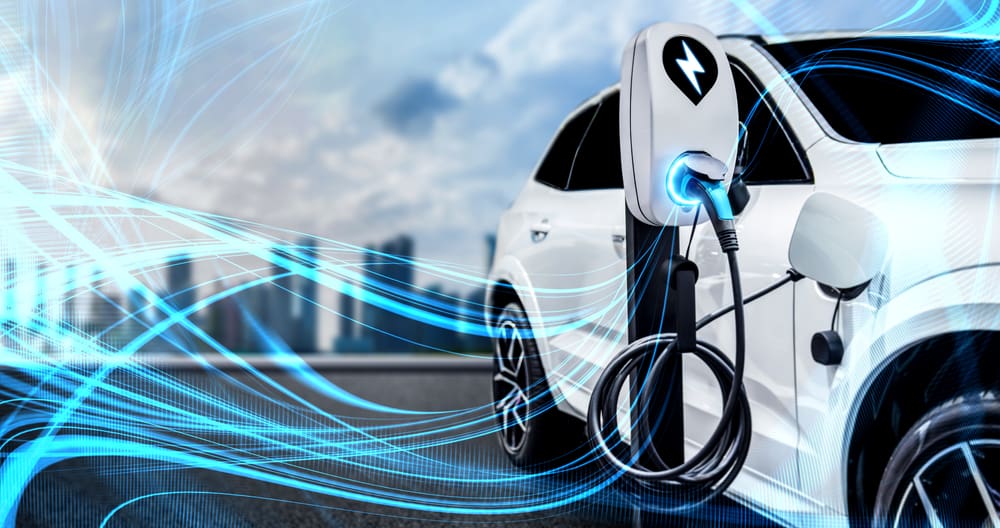
As electric vehicles (EVs) continue to gain popularity, many drivers are making the switch from traditional gasoline-powered cars. With this shift comes a new set of considerations, especially when it comes to insurance. Understanding how insurance for electric vehicles works can help you make informed decisions and ensure you have the right coverage. In this blog, we will explore the key aspects of insuring an electric vehicle, including factors that affect premiums, coverage options, and tips for finding the best policy.
Understanding the Basics of Electric Vehicle Insurance
Factors Affecting Insurance Premiums
When it comes to insuring an electric vehicle, several factors can influence your insurance premiums. These include:
-
Vehicle Value: Electric vehicles often have higher upfront costs compared to their gasoline counterparts. This can lead to higher premiums since the cost to repair or replace an EV may be more expensive.
-
Battery Replacement Costs: The battery is one of the most expensive components of an electric vehicle. Insurance companies consider the cost of battery replacement when determining premiums.
-
Safety Features: Many electric vehicles come equipped with advanced safety features, which can potentially lower insurance costs. Features such as automatic braking, lane departure warnings, and adaptive cruise control can reduce the likelihood of accidents.
-
Driving Habits: As with any vehicle, your driving record and habits will impact your insurance rates. Safe drivers with clean records are likely to enjoy lower premiums.
Coverage Options for Electric Vehicles
Electric vehicle owners should consider specific coverage options to ensure comprehensive protection:
-
Liability Coverage: This is mandatory in most states and covers damages or injuries you may cause to others in an accident.
-
Collision Coverage: This covers damage to your vehicle resulting from a collision, regardless of fault.
-
Comprehensive Coverage: This protects against non-collision-related damages such as theft, vandalism, or natural disasters.
-
Uninsured/Underinsured Motorist Coverage: This provides protection if you’re involved in an accident with a driver who lacks sufficient insurance.
-
Gap Insurance: Given the higher depreciation rates of electric vehicles, gap insurance can be beneficial. It covers the difference between the vehicle’s value and the amount owed on your loan or lease.
Tips for Finding the Best Insurance Policy
-
Shop Around: Compare quotes from multiple insurance providers to find the best rates and coverage options for your electric vehicle.
-
Ask About Discounts: Some insurers offer discounts for electric vehicle owners, such as reduced rates for eco-friendly vehicles or incentives for installing home charging stations.
-
Consider Usage-Based Insurance: Some companies offer policies that track your driving habits and adjust premiums based on your actual usage, which can be beneficial for low-mileage drivers.
-
Review Your Policy Annually: As the market for electric vehicles evolves, so do insurance offerings. Regularly reviewing your policy ensures you have the best coverage at the most competitive price.
Reach Out for More Information
Navigating the world of electric vehicle insurance can be complex, but you don’t have to do it alone. Our agency is here to help you understand your options and find the right coverage for your needs. Contact us today to learn more about insuring your electric vehicle and to get a personalized quote.