

When disaster strikes, the immediate focus is often on ensuring the safety and well-being of loved ones. However, understanding your insurance coverage and knowing how to proceed with claims can be crucial in mitigating the financial impact of such events. This comprehensive guide aims to provide you with the necessary insights into managing your insurance needs during emergency disasters.
Understanding Your Coverage
Before a disaster occurs, it is essential to have a clear understanding of your insurance policies. This includes knowing what types of disasters are covered and the extent of that coverage. Most standard homeowners’ insurance policies cover events like fire, windstorms, and hail, but may exclude floods and earthquakes, which often require separate policies.
Evaluating Your Policy
-
Review Policy Documents: Regularly review your policy documents to ensure you are aware of the coverage limits and exclusions. This will help you identify any gaps in coverage that may need to be addressed.
-
Consult with Your Agent: Discuss your current coverage with your insurance agent to understand how it applies to different types of disasters. They can provide guidance on whether additional coverage is necessary.
-
Update Coverage as Needed: As your circumstances change, such as home improvements or acquiring valuable assets, update your policy to reflect these changes.
Preparing for a Disaster
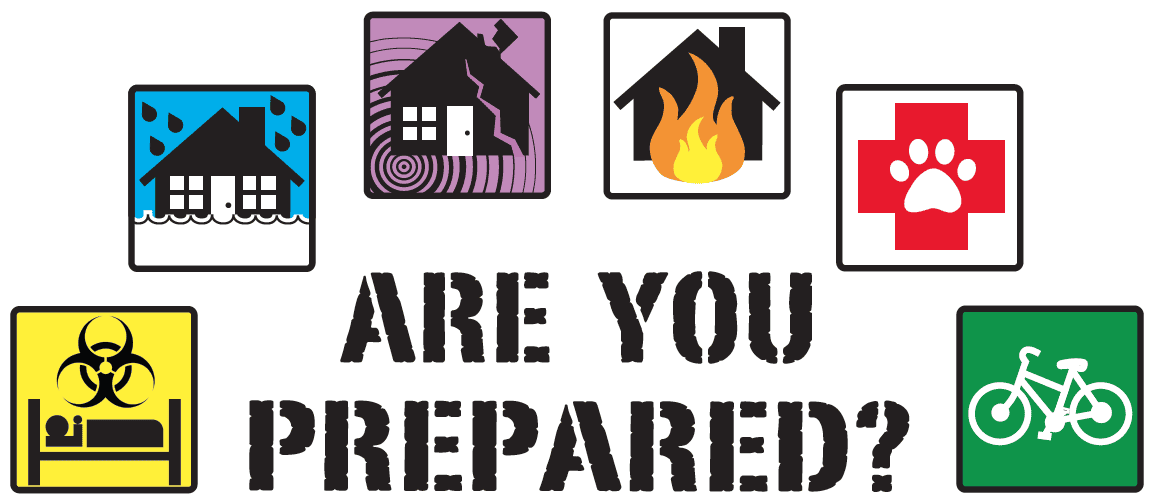
Preparation is key to minimizing the impact of a disaster. Here are some steps you can take to ensure you are ready:
-
Create an Inventory: Maintain an up-to-date inventory of your possessions, including photographs, or videos stored in a safe place or on the cloud, and receipts. This will expedite the claims process if you need to file a claim.
-
Emergency Kit: Assemble an emergency kit with essentials such as water, non-perishable food, first-aid supplies, and important documents, including copies of your insurance policies. ALWAYS remember any ‘must have’ medications or prescriptions.
-
Have a plan for “Fido” or other pets: Pets cannot speak, or make a plan, so make one for them. Remember to get pets “chiped” whenever possible, this will help with reuniting quickly. Remember foods, medications and clean drinking water for sever situations.
-
Develop a Plan: Have a clear evacuation plan and ensure all family members are familiar with it. Practice regular drills to ensure everyone knows what to do in an emergency. Higher ground in case of flooding, shelter in case of immediate storm, inland city for an evacuation event. Cleary discuss your plans as a family unit, make certain each of you know your role to help.
Filing a Claim After a Disaster
In the aftermath of a disaster, filing a claim promptly and accurately is crucial. Here’s how to navigate this process:
-
Contact Your Insurer: Notify your insurance company as soon as possible to begin the claims process. They will guide you on the necessary steps and documentation required. If you have advanced warning have your insurance companies claim department number and your policy number stored and easily accesable.
-
Document the Damage: Take photographs or videos of the damage before making any temporary repairs. This documentation will be vital for your claim.
-
Temporary Repairs: Make necessary temporary repairs to prevent further damage, but keep all receipts for reimbursement purposes.
-
Work with Adjusters: Cooperate with insurance adjusters and provide them with all requested information promptly to facilitate a smooth claims process. Don’t be afraid to ask questions, ask why or why not, and when in doubt contact your agent for help or your states department of insurance hotline.
The Importance of Communication
Maintaining open communication with your insurance agent is vital during these times. They can offer valuable advice and support, ensuring you have the necessary resources to recover from a disaster. Regular check-ins with your agent can also help keep your coverage up-to-date and aligned with your needs.
For further assistance or to discuss your insurance needs in more detail, please reach out to our agency. We are here to help you navigate through these challenging times and ensure you have the protection you need.