

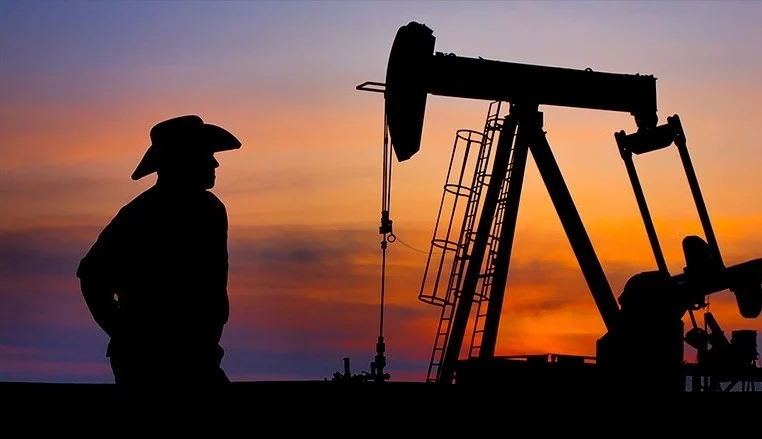
The oil and gas industry is a cornerstone of the global economy, providing essential energy resources that power our daily lives. However, this sector is fraught with unique risks and challenges that require specialized insurance solutions. For businesses operating within this industry, understanding the intricacies of oil and gas insurance is crucial for safeguarding assets and ensuring operational continuity.
Understanding Oil and Gas Insurance
Oil and gas insurance is a specialized form of coverage designed to address the specific risks associated with exploration, production, and distribution activities in the energy sector. This type of insurance encompasses a wide range of policies tailored to protect against potential liabilities, property damage, and business interruptions.
Key Components of Oil and Gas Insurance
-
Liability Coverage: This is a critical component of oil and gas insurance, covering legal liabilities arising from accidents, spills, or other incidents that may cause harm to third parties or the environment. It typically includes general liability, pollution liability, and professional liability.
-
Property Insurance: Protecting physical assets such as drilling rigs, pipelines, and storage facilities is essential. Property insurance covers damage or loss due to natural disasters, accidents, or equipment failure.
-
Business Interruption Insurance: In the event of a significant disruption, such as a natural disaster or mechanical breakdown, business interruption insurance provides financial support to cover lost income and ongoing expenses.
-
Control of Well Insurance: This specialized coverage is designed to protect against the costs associated with regaining control of a well after a blowout or other uncontrolled event. It also covers expenses related to pollution cleanup and legal defense.
-
Cargo and Transit Insurance: Given the global nature of the oil and gas industry, transporting equipment and resources is a common activity. Cargo and transit insurance protects against loss or damage during transportation.
Challenges in Securing Oil and Gas Insurance
Securing adequate insurance coverage in the oil and gas sector can be complex due to the inherent risks and regulatory requirements. Insurers must thoroughly assess the operational practices, safety measures, and environmental impact of each client to tailor policies effectively. Additionally, fluctuating market conditions and geopolitical factors can influence insurance premiums and availability.
Risk Management Strategies
To enhance insurability and potentially reduce premiums, companies in the oil and gas industry should implement robust risk management strategies. This includes investing in advanced safety technologies, conducting regular risk assessments, and maintaining compliance with industry regulations.
The Role of an Insurance Agent
Navigating the complexities of oil and gas insurance requires expertise and a deep understanding of the industry. An experienced insurance agent can provide invaluable guidance, helping businesses identify potential risks and select the most appropriate coverage options. By working closely with clients, agents ensure that policies are tailored to meet specific needs and provide comprehensive protection.
For businesses operating in the oil and gas sector, having the right insurance coverage is not just a regulatory requirement but a strategic imperative. To learn more about how oil and gas insurance can protect your business, reach out to our agency today. Our team of experts is ready to assist you in finding the best solutions tailored to your unique needs.