


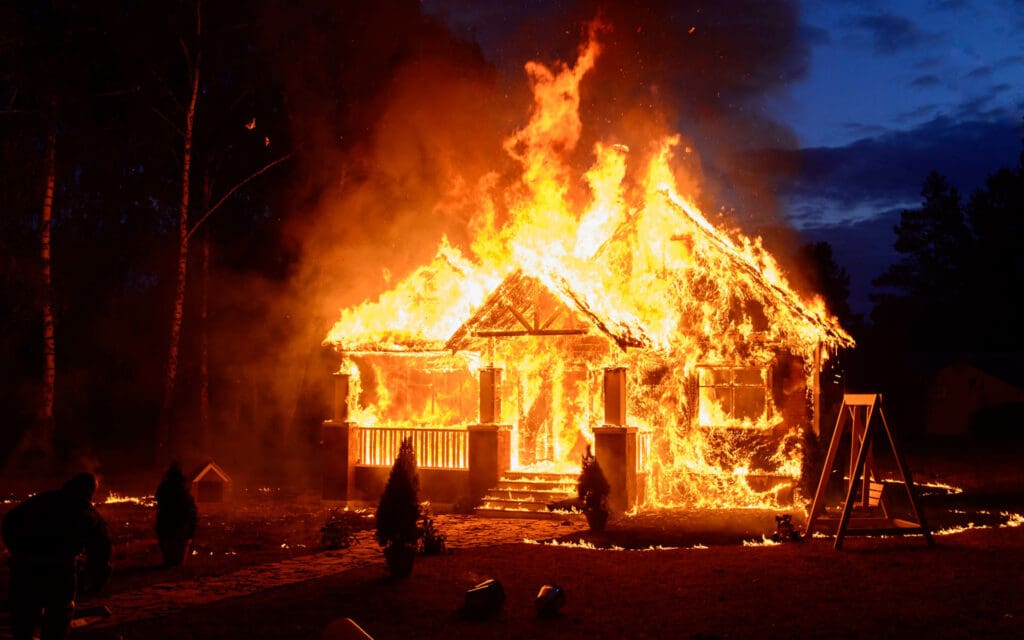
When it comes to protecting your property, dwelling fire insurance is an essential consideration for homeowners and landlords alike. While many people are familiar with standard homeowners insurance, dwelling fire insurance offers specific coverage that can be crucial in certain situations. In this comprehensive guide, we’ll delve into what dwelling fire insurance is, who might need it, and the benefits it offers.
What is Dwelling Fire Insurance?
Dwelling fire insurance is a type of property insurance that specifically covers damage to a building caused by fire, smoke, and other related perils. Unlike standard homeowners insurance, which provides broad coverage for a variety of risks, dwelling fire insurance focuses primarily on the structure itself, offering protection against specific hazards such as fire, lightning, and sometimes vandalism or wind damage.
Types of Dwelling Fire Policies
There are generally three types of dwelling fire insurance policies, each offering different levels of coverage:
-
DP-1 (Basic Form): This is the most basic form of dwelling fire insurance. It covers a limited number of perils, typically on an actual cash value basis, meaning depreciation is deducted from the payout. Commonly covered perils include fire, lightning, and internal explosion.
-
DP-2 (Broad Form): This policy offers broader coverage than DP-1, including additional perils such as windstorm, hail, vandalism, and sometimes burglary damage. It often covers losses on a replacement cost basis, which does not account for depreciation.
-
DP-3 (Special Form): The most comprehensive of the dwelling fire policies, DP-3 covers all perils except those specifically excluded in the policy. It typically offers replacement cost coverage, providing extensive protection for property owners.
Who Needs Dwelling Fire Insurance?
Dwelling fire insurance is particularly beneficial for:
-
Landlords: If you own rental properties, dwelling fire insurance can protect your investment from damage caused by tenants or unforeseen events. It covers the structure but not the tenant’s personal belongings.
-
Owners of Vacant Homes: Homes that are unoccupied for extended periods are at higher risk for certain perils. Dwelling fire insurance can provide peace of mind by covering these risks.
-
Seasonal or Secondary Homeowners: If you own a vacation home or a secondary residence, dwelling fire insurance can offer protection during periods when the property is not in use.
Benefits of Dwelling Fire Insurance
-
Cost-Effective: Since dwelling fire insurance focuses on specific perils, it can be more affordable than comprehensive homeowners insurance, making it an attractive option for property owners looking to save on insurance costs.
-
Customizable Coverage: Policyholders can often tailor their coverage to fit their specific needs, adding endorsements or riders to cover additional risks.
-
Protection for Investment Properties: For landlords, dwelling fire insurance is a crucial tool for safeguarding rental properties, ensuring that the structure is covered in the event of damage.
Final Thoughts
Dwelling fire insurance is a valuable option for those seeking targeted protection for their properties. Whether you’re a landlord, own a vacant home, or have a secondary residence, understanding the nuances of dwelling fire insurance can help you make informed decisions about your coverage needs.
For more personalized advice and to explore the best options for your specific situation, reach out to our agency. Our team is here to help you navigate your insurance needs and ensure your property is adequately protected.