

Homeownership is a significant milestone for many, representing not just a place to live but a substantial investment. Protecting this investment is crucial, and that’s where homeowners insurance comes into play. But what exactly does homeowners insurance cover? Let’s delve into the details to understand the scope and limitations of this essential protection.
The Basics of Homeowners Insurance
Homeowners insurance is designed to safeguard your home and personal property against unexpected events. It typically encompasses several types of coverage:
Dwelling Coverage
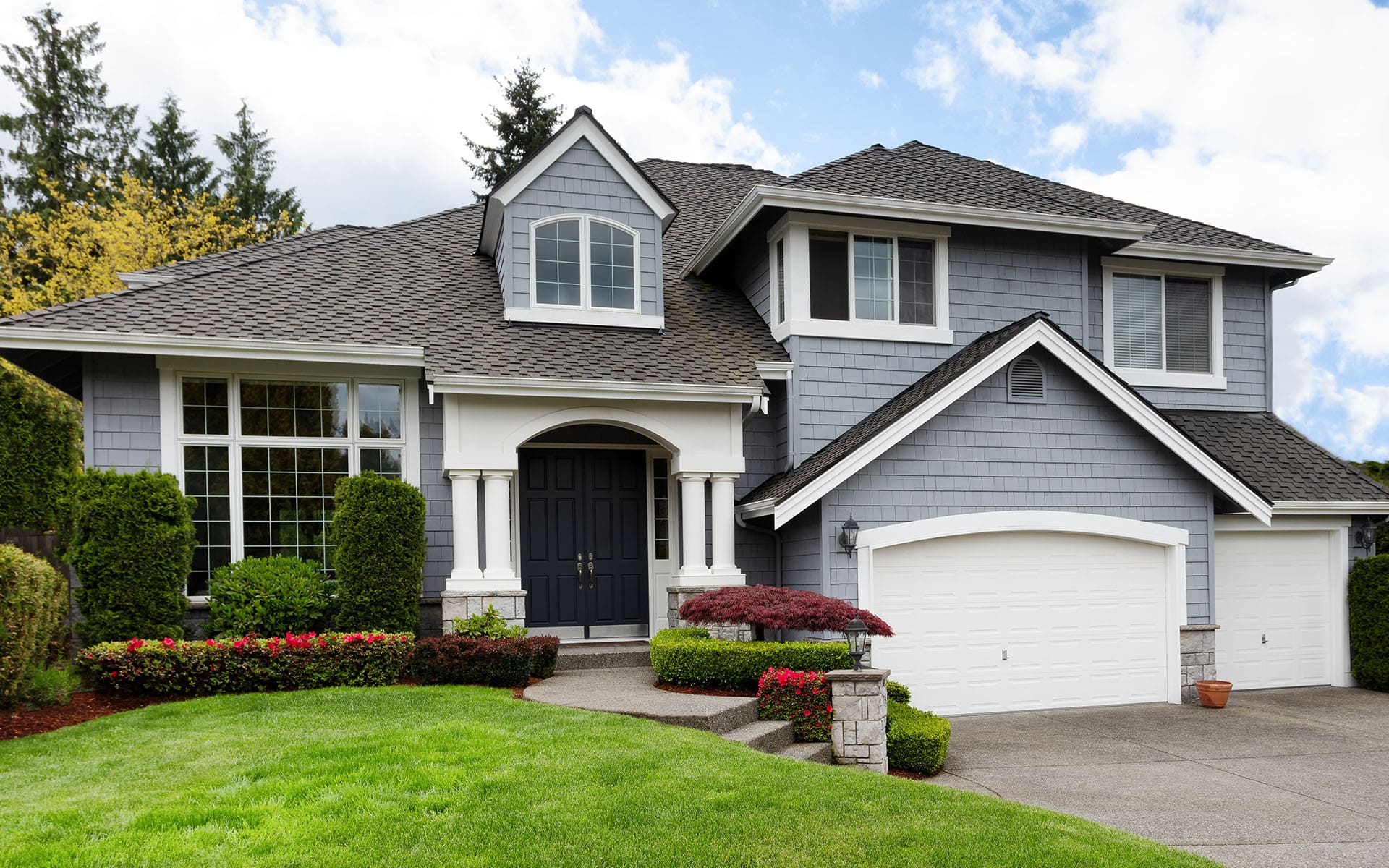
This is the core component of homeowners insurance, covering the physical structure of your home. If your home is damaged or destroyed by a covered peril, such as fire, windstorm, or hail, dwelling coverage helps pay for repairs or rebuilding. It’s important to ensure that your dwelling coverage limit is sufficient to cover the cost of rebuilding your home in its entirety.
Other Structures Coverage
This part of the policy covers structures on your property that are not attached to your home, such as a detached garage, shed, or fence. Similar to dwelling coverage, it protects against damage from covered perils.
Personal Property Coverage
Your belongings, including furniture, electronics, and clothing, are protected under personal property coverage. If these items are damaged, destroyed, or stolen due to a covered peril, this coverage helps replace them. However, certain high-value items like jewelry or art may require additional coverage.
Liability Protection
Liability coverage is a crucial aspect of homeowners insurance. It protects you from financial loss if someone is injured on your property or if you accidentally cause damage to someone else’s property. This coverage can help pay for legal fees, medical bills, and damages if you’re found liable.
Additional Living Expenses (ALE)
If your home becomes uninhabitable due to a covered event, ALE coverage helps pay for temporary living expenses, such as hotel bills and meals, while your home is being repaired.
What Homeowners Insurance Typically Does Not Cover
While homeowners insurance offers broad protection, there are certain exclusions and limitations:
Floods and Earthquakes
Standard homeowners insurance policies do not cover damage from floods or earthquakes. If you live in an area prone to these natural disasters, you may need to purchase separate flood or earthquake insurance.
Maintenance Issues
Damage resulting from neglect or lack of maintenance, such as mold or pest infestations, is generally not covered. Regular upkeep of your home is essential to prevent such issues.
High-Value Items
As mentioned earlier, standard policies may have limits on coverage for high-value items. Consider additional endorsements or a separate policy to ensure these items are adequately protected.
How to Ensure Adequate Coverage
To ensure your homeowners insurance provides sufficient protection, consider the following steps:
- Review Your Policy Annually: As your circumstances change, so might your insurance needs. Regularly reviewing your policy helps ensure it aligns with your current situation.
- Conduct a Home Inventory: Documenting your belongings can help you determine the amount of personal property coverage you need and expedite claims if necessary.
- Consider Additional Coverage: Evaluate whether additional endorsements or separate policies are necessary for specific risks, such as floods or high-value items.
Understanding what homeowners insurance covers is crucial for protecting your home and financial well-being. If you have questions or need assistance tailoring a policy to your needs, reach out to our agency for more information. We’re here to help you safeguard your home and peace of mind.