


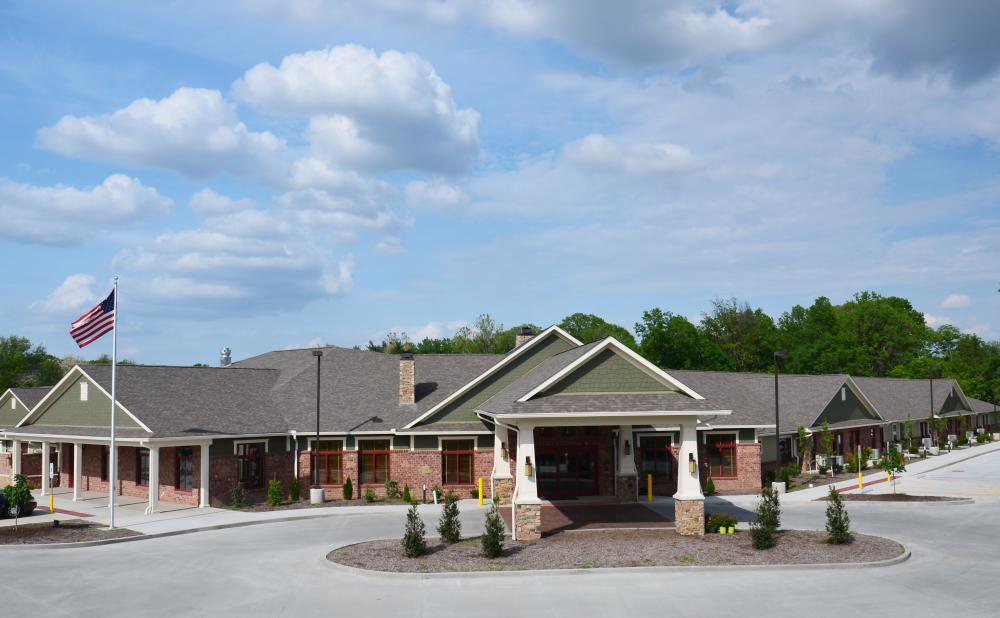
Nursing homes play a crucial role in providing care and support to the elderly and those with special needs. As an independent insurance agent, it is essential to understand the unique insurance requirements of nursing homes to better serve this sector. This comprehensive guide aims to explore the various insurance coverages necessary for nursing homes, ensuring that they are adequately protected against potential risks.
Understanding the Unique Risks of Nursing Homes
Nursing homes face a variety of risks that are distinct from other types of businesses. These risks can include medical malpractice, resident injuries, property damage, and regulatory compliance issues. Understanding these risks is the first step in identifying the appropriate insurance coverages.
Key Insurance Coverages for Nursing Homes
-
General Liability Insurance
General liability insurance is fundamental for nursing homes as it provides coverage for bodily injury and property damage claims. This type of insurance is crucial in protecting the facility against lawsuits that may arise from accidents or injuries occurring on the premises. -
Professional Liability Insurance
Also known as malpractice insurance, professional liability insurance is essential for nursing homes. It covers claims related to negligence, errors, or omissions in the care provided to residents. Given the nature of the services offered, this coverage is indispensable. -
Property Insurance
Property insurance protects the physical assets of the nursing home, including buildings, equipment, and supplies. It covers damages caused by events such as fire, theft, or natural disasters, ensuring that the facility can recover and continue operations. -
Workers’ Compensation Insurance
Nursing homes employ a significant number of staff, including nurses, aides, and administrative personnel. Workers’ compensation insurance provides coverage for medical expenses and lost wages for employees who are injured on the job. This coverage is not only a legal requirement in most states but also a critical component of employee protection. -
Cyber Liability Insurance
With the increasing reliance on digital systems for managing patient records and other sensitive information, nursing homes are vulnerable to cyber threats. Cyber liability insurance offers protection against data breaches and cyber-attacks, covering costs associated with data recovery, legal fees, and notification expenses. -
Regulatory Liability Insurance
Nursing homes must comply with numerous regulations and standards. Regulatory liability insurance provides coverage for fines and penalties resulting from non-compliance with these regulations. This insurance is particularly important given the complex and ever-changing regulatory landscape.
Additional Considerations
While the aforementioned coverages form the core of a nursing home’s insurance portfolio, there may be additional considerations based on specific circumstances. For instance, some nursing homes may require specialized coverage for transportation services or volunteer liability. It is important to conduct a thorough risk assessment to identify any unique needs.
The Role of an Insurance Agent
As an insurance agent, your role is to guide nursing home administrators through the complexities of insurance options. By understanding their specific needs and providing tailored insurance solutions, you help ensure that they are adequately protected. This not only builds trust but also strengthens your relationship with the client.
For more information on how to tailor insurance solutions for nursing homes or to discuss specific coverage needs, please feel free to reach out to our agency. We are committed to providing expert advice and comprehensive insurance solutions to meet the unique needs of nursing homes.