


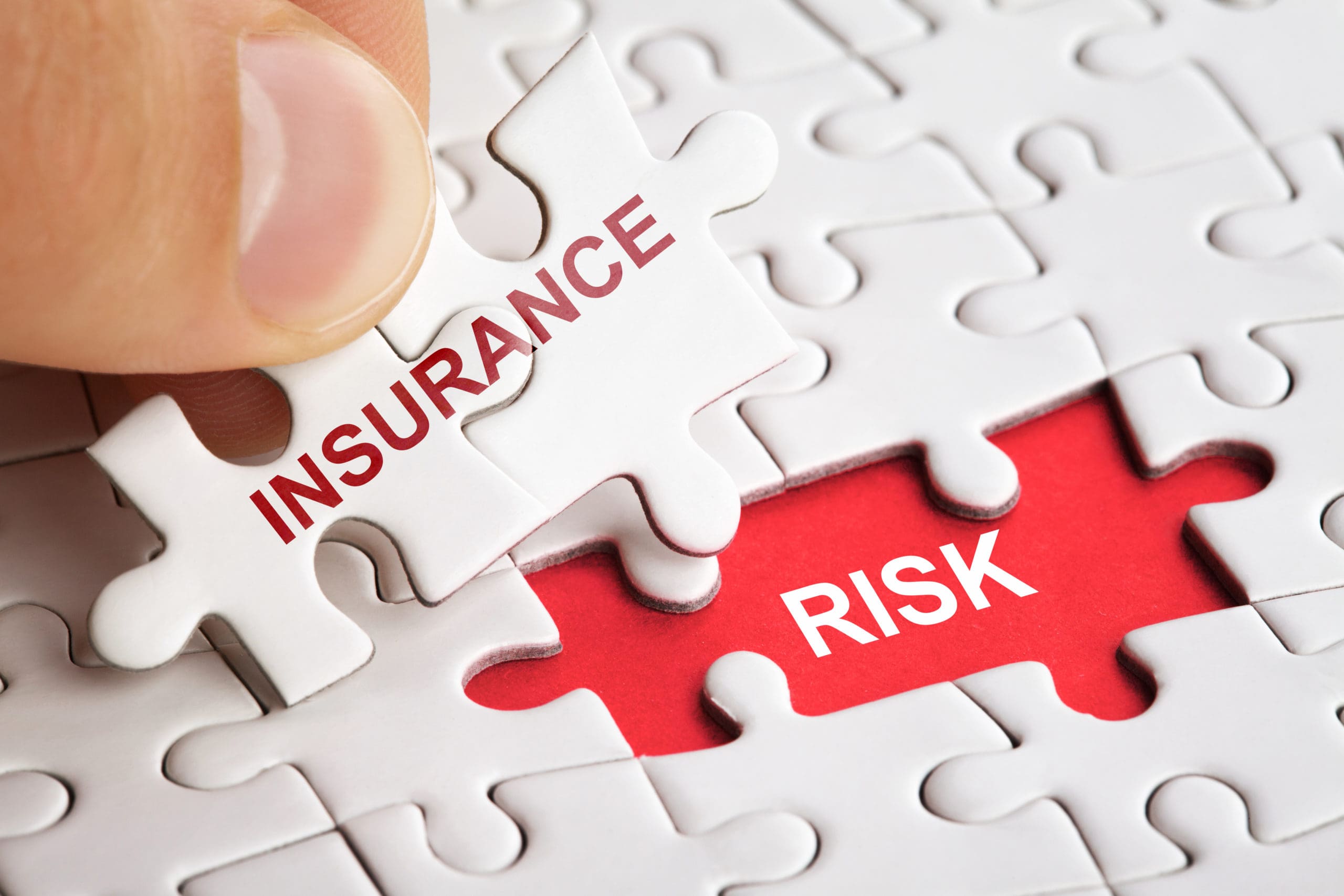
In the world of insurance, risk mitigation is a fundamental concept that can significantly impact both policyholders and insurers. Understanding how to effectively manage and reduce risks can lead to more favorable insurance terms and a greater sense of security. This blog aims to provide an in-depth exploration of risk mitigation strategies, helping you make informed decisions about your insurance needs.
What is Risk Mitigation?
Risk mitigation involves identifying potential risks and implementing strategies to minimize their impact. For insurance policyholders, this means taking proactive steps to reduce the likelihood of claims and the severity of potential losses. By doing so, you not only protect your assets but also potentially lower your insurance premiums.
Types of Risks
- Physical Risks: These include risks to tangible assets such as your home, car, or business property. Common examples are fire, theft, and natural disasters.
- Liability Risks: These involve the potential for legal action due to injury or damage caused to others. For instance, if someone is injured on your property, you could be held liable.
- Financial Risks: These relate to the potential for financial loss due to market fluctuations, investment failures, or economic downturns.
Strategies for Risk Mitigation
1. Risk Avoidance
The most straightforward way to mitigate risk is to avoid it altogether. This might involve choosing not to engage in certain high-risk activities or avoiding investments that carry significant risk.
2. Risk Reduction
This strategy focuses on reducing the likelihood or impact of a risk. For example, installing smoke detectors and security systems can reduce the risk of fire and theft. Regular maintenance of your vehicle can minimize the risk of accidents.
3. Risk Transfer
Insurance itself is a form of risk transfer. By purchasing a policy, you transfer the financial burden of certain risks to the insurer. It’s essential to choose the right coverage that aligns with your specific needs.
4. Risk Retention
Sometimes, it makes sense to retain a certain level of risk, especially if the cost of insuring against it is higher than the potential loss. This is often the case with high deductibles or self-insurance strategies.
The Role of Insurance in Risk Mitigation
Insurance plays a crucial role in risk mitigation by providing financial protection against unforeseen events. However, it’s important to remember that insurance is just one part of a comprehensive risk management strategy. Combining insurance with other risk mitigation techniques can provide a more robust safety net.
Customizing Your Insurance Plan
To effectively mitigate risks, it’s vital to tailor your insurance plan to your unique circumstances. This might involve:
- Conducting a Risk Assessment: Identify the specific risks you face and evaluate their potential impact.
- Choosing the Right Coverage: Ensure your policy covers the most significant risks you face.
- Regularly Reviewing Your Policy: As your life changes, so do your risks. Regular reviews ensure your coverage remains adequate.
Taking Action
Risk mitigation is an ongoing process that requires vigilance and adaptability. By understanding the types of risks you face and implementing effective strategies, you can protect yourself and your assets more effectively.
For personalized advice on risk mitigation and to explore insurance options that suit your needs, reach out to our agency. Our team of experts is here to help you navigate the complexities of risk management and ensure you have the protection you need.