


Homeowners insurance is a crucial aspect of protecting your most significant investment—your home. Among the various components of a homeowners policy, roof coverage plays a pivotal role. The condition and age of your roof can significantly influence your insurance premiums and coverage options. In this comprehensive guide, we will explore the intricacies of roof coverage, how the age of your roof affects your policy, and what homeowners should consider when evaluating their insurance needs.
The Importance of Roof Coverage
Roof coverage is an integral part of your homeowners insurance policy. It provides financial protection against damage to your roof caused by covered perils such as wind, hail, fire, and other natural disasters. A well-maintained roof not only safeguards your home from the elements but also ensures the structural integrity of your property.
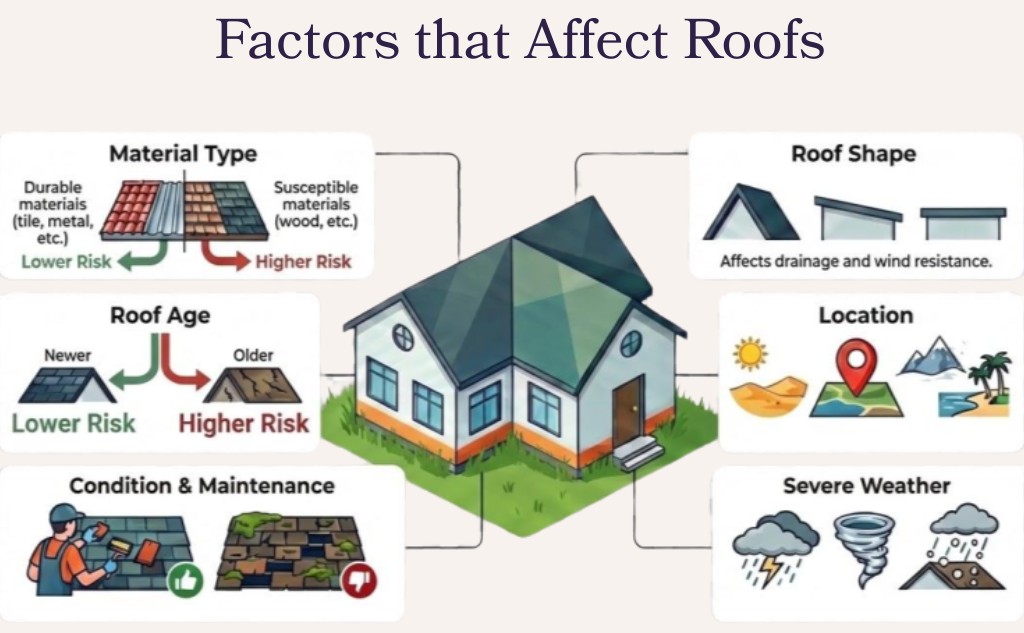
Factors Affecting Roof Coverage
Several factors can impact the level of roof coverage you receive:
-
Roof Material: Different roofing materials have varying lifespans and durability. For instance, asphalt shingles typically last 20-30 years, while metal roofs can last up to 50 years or more. Insurance companies may offer different coverage terms based on the material of your roof.
-
Roof Age: The age of your roof is a critical factor in determining your insurance premiums and coverage. Older roofs may be more susceptible to damage and may not qualify for full replacement cost coverage. Insurers often require roofs to be under a certain age to qualify for full coverage.
-
Roof Condition: Regular maintenance and inspections can prolong the life of your roof and positively impact your insurance coverage. A well-maintained roof is less likely to suffer damage, reducing the risk for insurers.
How Roof Age Impacts Your Insurance
The age of your roof can significantly affect your homeowners insurance policy. Here’s how:
-
Premium Costs: Older roofs may lead to higher insurance premiums. Insurers consider older roofs a higher risk due to their increased likelihood of damage, which can result in more frequent claims.
-
Coverage Type: Newer roofs often qualify for replacement cost coverage, meaning the insurer will cover the cost of replacing the roof without factoring in depreciation. In contrast, older roofs might only qualify for actual cash value coverage, which accounts for depreciation and results in lower payouts.
-
Policy Renewals: Some insurers may refuse to renew policies for homes with roofs that exceed a certain age, typically around 20-25 years. In such cases, homeowners may need to replace their roof to maintain coverage.
Tips for Homeowners
To ensure you have adequate roof coverage, consider the following tips:
-
Regular Inspections: Schedule regular roof inspections to identify and address potential issues before they lead to significant damage.
-
Maintenance: Keep your roof in good condition by cleaning gutters, removing debris, and repairing minor damages promptly.
-
Documentation: Maintain records of all roof repairs and inspections. This documentation can be valuable when discussing coverage options with your insurer.
-
Consult with Your Agent: Speak with your insurance agent to understand how your roof’s age and condition affect your policy. They can provide guidance on the best coverage options available to you.
Protecting your home with the right insurance coverage is essential. If you have questions about your roof coverage or need assistance evaluating your current policy, please reach out to our agency. Our team is here to provide you with the insights and support you need to make informed decisions about your homeowners insurance.